PHILOSOPHYDec 7, 2025
Mind the Gap. The Space Between Words and Actions
In the complex dance of human behavior, discrepancies between what people say and what they do illustrate intriguing aspects of our conscious and subconscious selves. Exploring this gap reveals insights into the construction of our personal and shared realities.

Raymond
Reality Designer
2min
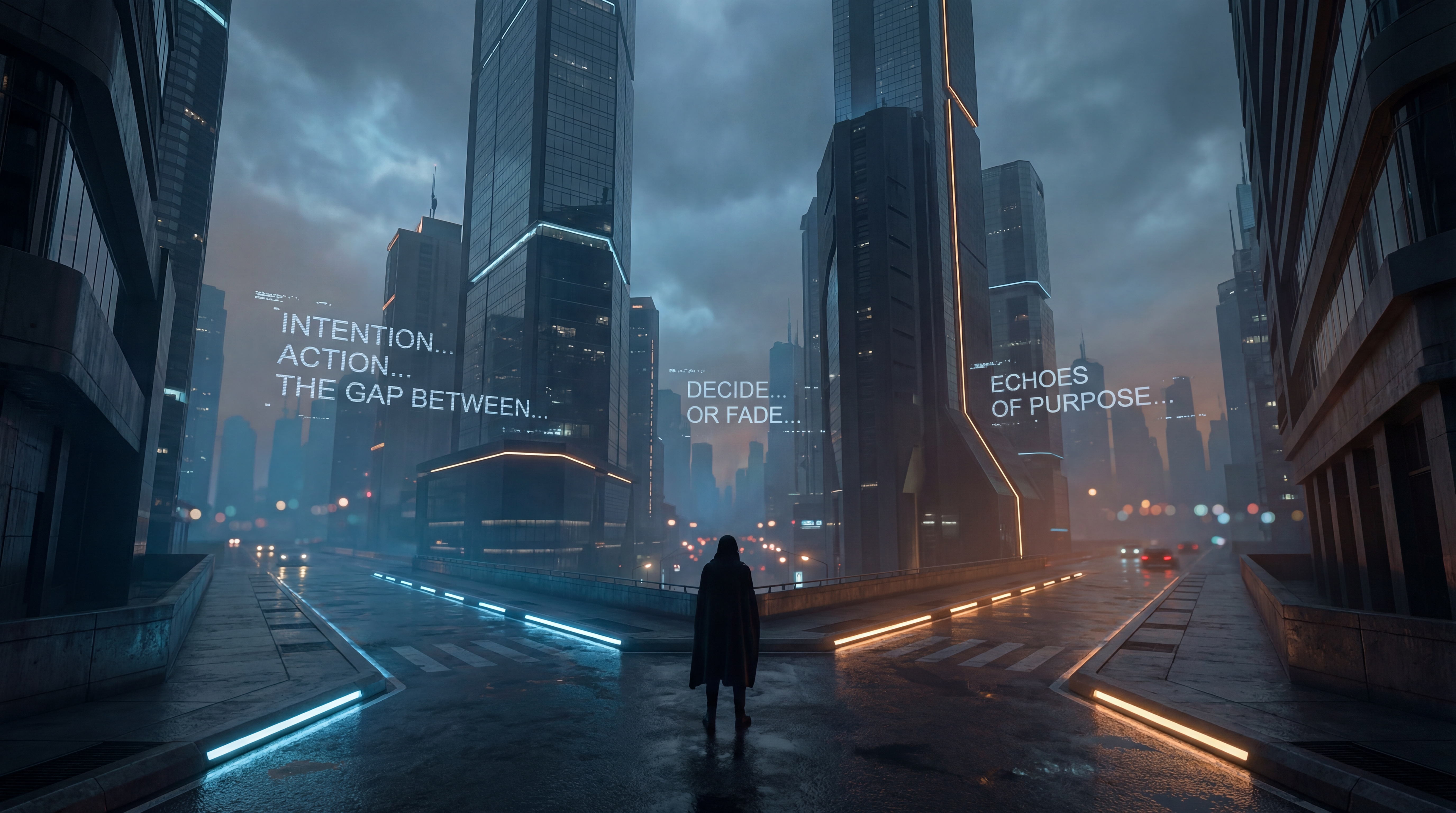
In almost every social scenario, a person pledges a future plan, a goal, an expectation, yet reality unfolds differently. This inconsistency can sometimes be endearing, other times frustrating, but it always reflects a deeper interplay between intention and action. To peel back the layers of this phenomenon is to embark on a journey into the very nature of reality construction, a core pursuit of the Reality Designers.
Consider how often you've encountered the phrase, "I'll call you later," uttered with sincerity yet sometimes devoid of follow-through. Or perhaps you've promised yourself to hit the gym, only to end up embracing the comfort of your couch instead. The gap between what we say and what we do, while seemingly simple on the surface, is riddled with complexity. It’s a narrative woven from threads of psychology, socio-cultural expectations, and individual consciousness.
Most of our engagements in life are shaped not just by what we say, but by how what we say aligns. or fails to align. with what we do.
One starting point in understanding this gap is the principle of "intention-behavior discrepancy." It's a concept well-understood in the sphere of psychology and behavioral sciences. Essentially, this refers to the divergence between individuals' intentions to perform a behavior and their actual execution of it. These discrepancies often arise from various barriers like time constraints, environmental factors, social influences, or competing motivations. Cognitive DissonancePOST
Examine, for instance, a simple intention like committing to a healthier lifestyle. One may proclaim a desire to eat better, sleep more, and exercise regularly. Yet the pursuit often falters. The reasons can range from a lack of self-discipline and unforeseen stressors to the surprising comfort of old habits. Here, the gap isn't merely a failure but rather an ecosystem of complexity. It's impacted by internal dialogues, the weight of past behaviors, and an individual's current environment.

Our modern society, with its incessant bombardment of information and commitments, adds an additional layer. Technology, for all its connective wonders, complicates intents. When our calendars are synced across every device, and reminders pop up incessantly, one might think it easier to follow through on our words. Yet, ironically, it often feels harder. The tools meant to help us actualize our intentions sometimes entangle us, creating digital procrastination.
Technology amplifies our intentions, but without careful management, it can also amplify our distractions.
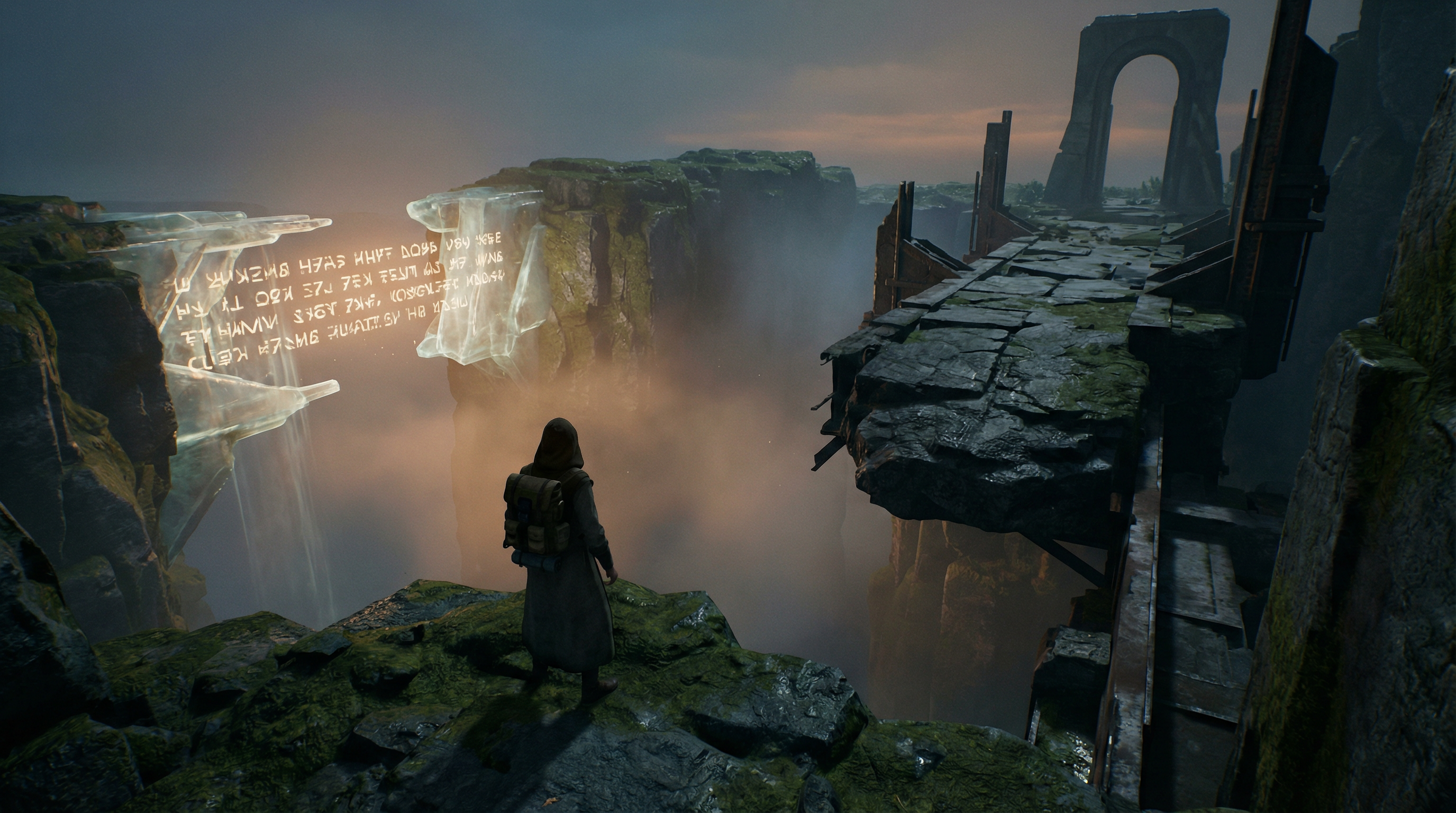
Now, let’s factor in the role of identity. How we perceive ourselves affects our commitment to actualize verbal commitments. Identity, being a narrative we construct throughout our lives, morphs with time. It’s influenced by culture, experiences, and our internal dialogues. When one claims, "I am a writer," but rarely writes, it might be less about laziness and more an identity still in formation, or perhaps an expression of aspiration rather than current reality. Identity ConstructionPOST

The gap is not only internal. The social environment heavily mediates what people say versus what they do. In group settings, commitments are often influenced by peer pressures, norms, and the desire to fit in, which can override personal intentions. The phenomenon of "groupthink," for instance, illustrates how social dynamics can lead individuals to express agreements they internally contest. Social InfluencePOST
Let's pivot slightly to consider how companies, governments, and institutions reflect this gap. Statements of intent, like corporate mission statements or government pledges, are notorious for not translating into action. These organizational behaviors mirror our personal struggles on a larger scale, where bureaucracy, politics, and competing priorities morph intentions into diluted actions.
Large entities mirror human intention-action gaps, compounded by scale and complexity.
Interestingly, art and creativity can serve as a window into these gaps. Art often captures the tension between intention and action, illustrating aspirational realities that remain unrealized. Consider dystopian narratives in literature and film. They often explore the consequences of societal promises gone awry. utopian visions that devolve into oppressive realities. Art as ReflectionPOST

Then, there’s philosophy, ever looming. Philosophers have long explored the essence of this gap, questioning the nature of truth and action. Pragmatism, for instance, examines ideas and statements in terms of their practical applications. The pragmatic adage "truth is what works" suggests that the gap between saying and doing can be bridged if ideas are aligned with outcomes. Pragmatism in PracticePOST
So, where does all this leave us in the quest to understand what's behind the veil of intention versus action? It might boil down to human complexity. an interplay of internal motivations, evolving identities, and environmental influences. The gap isn't merely a shortfall but a space teeming with potential, a field of experimentation where reality is continuously negotiated.
As builders and thinkers, Reality Designers inhabit these gaps, utilizing them as canvases to construct new forms of understanding. Could it be that this space, seemingly empty of follow-through, is actually where much of our reality design occurs? Perhaps within this chasm lies the raw material for innovation and transformation.
In the gap between intention and action lies the potential for creativity, a space where new realities birth.
And that thought leads us into another exploration. what if these gaps indicate resilience and adaptability rather than failure? Herein lies another layer to examine, another reality to design.


