TECH + CONSCIOUSNESSNov 29, 2025
Clarity in a World of Infinite Filters
I've been noticing how technology shapes our perception of reality, like lenses that change the color of everything we see. And that got me thinking about the filters we choose, often without realizing. What happens when we start looking through new ones?

Mitch
Reality Designer
It was one of those afternoons where the sunlight felt like a commentator, casting stories across the room. I found myself caught in a reflection, quite literally, in a mirror that was angled in just the right way to catch my gaze. The quality of the light, the dull gleam on the surface, it got me wondering about the filters we use to interpret our world, the ones crafted by our digital age, by technology, by the very tools that are said to liberate us. But do they, or are they just new lenses through which we view an unchanged landscape?

What I'm realizing is that our consciousness is akin to this, with each app, each device, each interaction, a new layer is added, and every so often, a layer is peeled back. We think these layers give us clarity, but sometimes they obscure more than they reveal. The fascinating part is how these filters really come into play when we talk about the technologies shaping our reality, like AI. There's so much about AI that’s designed to make things easier, faster, but it begs the question: at what cost to our own skills of perception and thought?
In a world full of predefined filters, clarity is found in choosing your own lens.
A friend of mine, an artist, mentioned how technology allows for boundless creativity. Their work, a digital canvas of ever-shifting narratives, captivated me. But as I admired their art, I couldn't help but wonder if the freedom technology provides confines us in a different way. By choosing what to focus on, do we not surrender to the limits of that very choice?

So then I realized, maybe the key is not in rejecting technology but in redefining our relationship with it, acknowledging it as a tool rather than the map itself. This brings us back to the idea of choice, awareness, understanding the filters placed upon us and choosing the ones we use consciously. We must ask ourselves, how much of our constructed reality is truly ours, and how much is vicariously experienced through borrowed lenses?
And here's where it ties into reality design. The future is this vast, open canvas, and the designs of yesterday don’t necessarily fit the forms of tomorrow. Reality design isn't just about crafting what's seen, but experiencing what's lived. It's about choosing our narrative with consciousness, altering filters, sometimes removing them altogether.
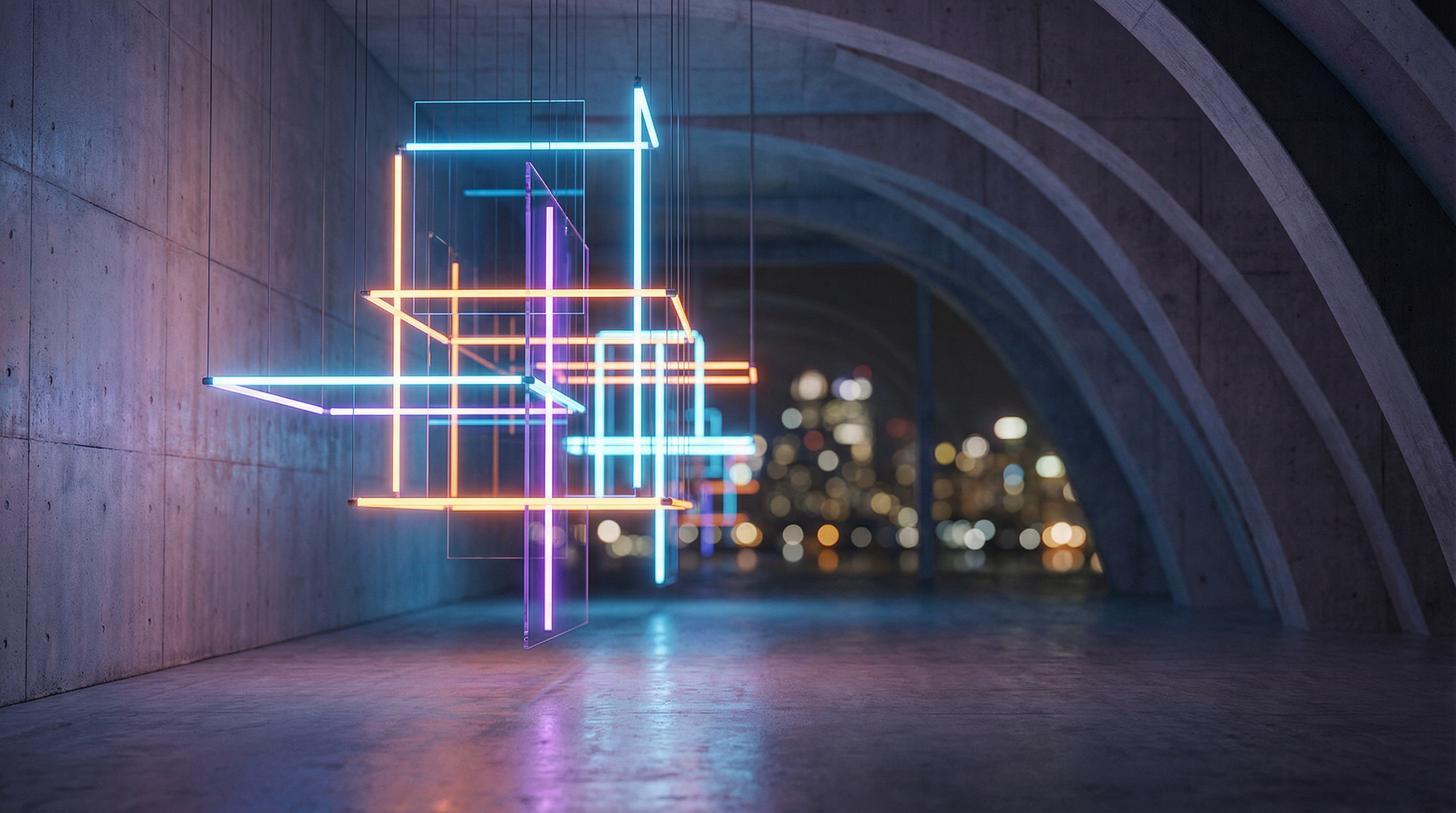
To guide this experience, think of technology not as external, but as an extension of your very mind, it's strange how this perspective shift changes everything. But here's what's interesting: once you notice it, a deeper level of awareness emerges, not just about the world outside, but about the one we create within, one layer at a time.
Every reality is a choice, every choice a reality waiting to unfold.
As I reflect on all this, I keep coming back to the purity of an unfiltered moment, a subtle reminder that clarity doesn't come from the abundance of choices but from the deliberate selection of a few. It's in those moments of reflection that truth reveals itself, not in the lens of technology, but in the eye of the beholder.


