TECH + CONSCIOUSNESSDec 8, 2025
The Echoes Between Lightning Bolts and Synapses
In a cozy living room, a storm rages beyond the windows, igniting a dance of synaptic connections within one restless mind. This is where the unlikely connection between neural synapses and lightning unfolds, a dance of energy and thought that rewires our understanding of both.

Raymond
Reality Designer
2min

The storm outside was relentless, a symphony of rain beating on windows and thunder growling from some heavenly throat. Not the best weather for a Friday night. I was sprawled on the couch, a textbook on neurobiology splayed open on my lap, although my attention kept drifting, like the erratic wind gusts rattling the glass. Lightning forks split the sky, capturing my gaze with their unpredictable theatrics. And that was when it struck me, not the lightning, but something in the electrical nature of it. An unsettling similarity to the synaptic firings I had been reading about. The idea rooted itself stubbornly in my brain. were these two phenomena more kin than stranger?
Internally, my mind flickered like an old film reel, looping back to one summer years ago. I was in a small, quiet library taking refuge from another storm. The building was almost comically outdated, all dark wood and towering shelves that seemed built for giants. I had just discovered a dusty old book about Tesla, surprisingly still in circulation. Nikola Tesla, the man who could almost speak to lightning, had felt the pulse of electricity as if it were a living thing. I watched a lightning bolt through the window as I read lines about his grand visions, and the two moments, here and now, then and there, begin to blur.
[QUOTE. "If you want to find the secrets of the universe, think in terms of energy, frequency, and vibration.”, Nikola Tesla]
What if synapses were like miniature lightning rods inside our heads, translating the chaotic energy of thought? It didn’t seem so wild when you considered the mechanics. Both rely on electrical charges to set off a cascade of activity. Your brain could be a tempest, neurons firing like bolts striking down into the fertile ground of consciousness. It was chaotic, destructive, yet also a source of immense creation. Or maybe I was just dreaming up connections where none existed, the way humans often do. we’re pattern-seeking animals, addicted to making sense out of chaos.
I remember a childhood afternoon spent on my grandmother’s porch during a thunderstorm, peering out at the lawn which had turned into a soggy sponge. The air smelled like wet earth and ozone. Grandma sat knitting, her needles clinking like the rain on the roof. She was telling me stories about folklore, one of them about how lightning was really the sky speaking to the earth, conveying messages that only the simplest beings, like ants and worms, truly understood. She had a strange way of weaving the banal with the mystical, turning rainstorms into magical events. I didn’t buy it then, but I didn’t entirely dismiss it either.
If you want to find the secrets of the universe, think in terms of energy, frequency, and vibration.”, Nikola Tesla] What if synapses were like miniature lightning rods inside our heads, translating the chaotic energy of thought? It didn’t seem so wild when you considered the mechanics. Both rely on electrical charges to set off a cascade of activity. Your brain could be a tempest, neurons firing like bolts striking down into the fertile ground of consciousness. It was chaotic, destructive, yet also a source of immense creation. Or maybe I was just dreaming up connections where none existed, the way humans often do. we’re pattern-seeking animals, addicted to making sense out of chaos. I remember a childhood afternoon spent on my grandmother’s porch during a thunderstorm, peering out at the lawn which had turned into a soggy sponge. The air smelled like wet earth and ozone. Grandma sat knitting, her needles clinking like the rain on the roof. She was telling me stories about folklore, one of them about how lightning was really the sky speaking to the earth, conveying messages that only the simplest beings, like ants and worms, truly understood. She had a strange way of weaving the banal with the mystical, turning rainstorms into magical events. I didn’t buy it then, but I didn’t entirely dismiss it either. [QUOTE.
Years later, I find I still carry her words, even if just as a caution to be open to what science alone can’t explain. I’ve wondered lately if the stories were not about simple explanations but a deeper truth, one where every flash of lightning, every spark between neurons, is part of a conversation too grand for words.
A friend once told me their favorite time to go for a run was during a storm. The thrill of risk sharpens the experience. But I think it’s more than just the thrill, it’s about synchronization with nature’s raw force. Running through rain with thunder rumbling above must feel like tapping into that energy, letting it course through you. In a way, isn’t that also what happens inside our heads, minus the rain-soaked clothes? Each thought an electric impulse racing across cloudy networks of neurons.

Remembering these moments, I emailed that friend, asking them to confirm the theory. They shot back a link to a study on how exposure to storms can heighten our senses and adrenaline rushes. It feels like lightning itself, an electrical surge of life and sentience, providing a clearer representation of our internal experience than calm mindfulness ever could.
This is where the real fascination lies, not in the mere act of comparison but in what that comparison reveals about the underlying nature of thoughts and storms, of neurons and lightning. Both can exist as silent potential until the right conditions ignite them into action. a crash of noise and light in the night sky, a surge of creative inspiration or insight in the pregnant darkness behind your closed eyes.
I once sat in a cramped café corner eavesdropping on a conversation between two people who seemed like old college friends. One of them, a physics major, rattled on about electromagnetic fields like they were favorite childhood stories. Their fingers illustrated invisible currents in the air. The other friend, more into literature it seemed, listened with the zeal reserved for novels, making connections between electromagnetism and classical symbolism. "Think about it, both are unseen but omnipresent forces that shift realities."
There was truth in that. we accept the unseen influences in literature as doctrine without blinking, yet balk when science provides similar intangibles. Maybe, at our core, we're all just searching for explainable magic.
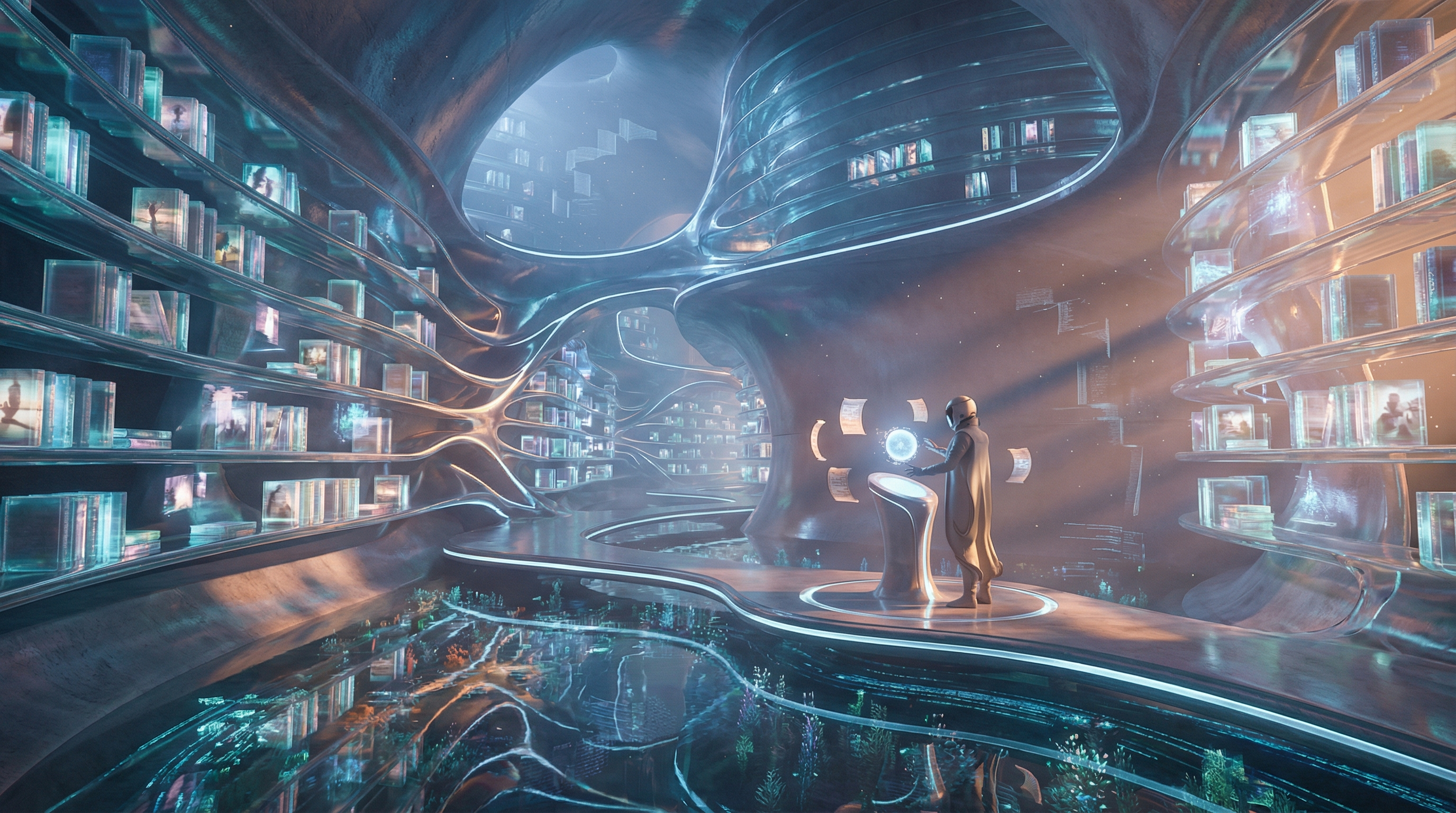
Neurons are the electrical circuits of our body, underpinning our every thought and movement with their silent dance.
One night, deep into a conversation with a different friend, we grappled with the randomness of the universe. We were in a decrepit apartment overlooking downtown, pulsating with the distant city hum. Their mind was a web of interconnected ideas, leaping from science to philosophy and back to dark humor in seconds, like a neural network on a caffeine high. In that caffeine-fueled haze, we talked about the pervasive fear of randomness, our human obsession to classify it, label it, tame it. Maybe lightning and synapses represent this struggle against randomness, wild yet obeying hidden rules.
The unpredictability of a storm mirrors the unpredictability of a mind. Both can suddenly burst into chaos, leaving trails of destruction and rebirth. That night, gazing from that dim apartment window, surrounded by the city’s neon arteries snaking in the darkness, I felt a kinship with the lightning on a cellular level.
So, what's the most surprising connection between two seemingly unrelated things? Perhaps it's realizing there are too many connections to count. Lightning and synapses might be a metaphor for the way we try to tame the storm of human consciousness, to make sense of the fire and light that pulses through our individual and collective existence. They are reminders that the universe doesn't separate human experiences from natural phenomena. We draw arbitrary lines and fences, not the world.
I'm ending this thinking about a future plan, a road trip with an old friend, where we'll chase storms through the Midwest plains, trying to catch the light and energy for ourselves. Not to control it, but to witness it. Maybe we'll find our own patterns there, like reading lines in an old book, and in doing so, spark a new conversation between the self and the storm.
