TECH + CONSCIOUSNESSNov 29, 2025
The Unseen Dance of Reality Design
There's a moment when technology slips from being a mere instrument in our hands to becoming an extension of our very thoughts. This article explores the organic unfolding of that transformative process and its implications for reality design.

Zac
Reality Designer
It started with a simple observation: the way my phone seemed to understand me, predicting what I wanted before I'd even thought to look for it. At first, it was just a novelty, a feature I'd dismiss as smart coding. But then it began to feel like something more, like the phone was no longer just a tool but a participant in my thinking process. And that's when I started to wonder about the relationship between tools and the human mind, how maybe our technology isn't just changing the world around us, but the reality within.

The real magic of reality design isn't in the tools we wield, but in the subtle choreography where our ideas and technology waltz as one, crafting worlds from the echoes of our dreams.
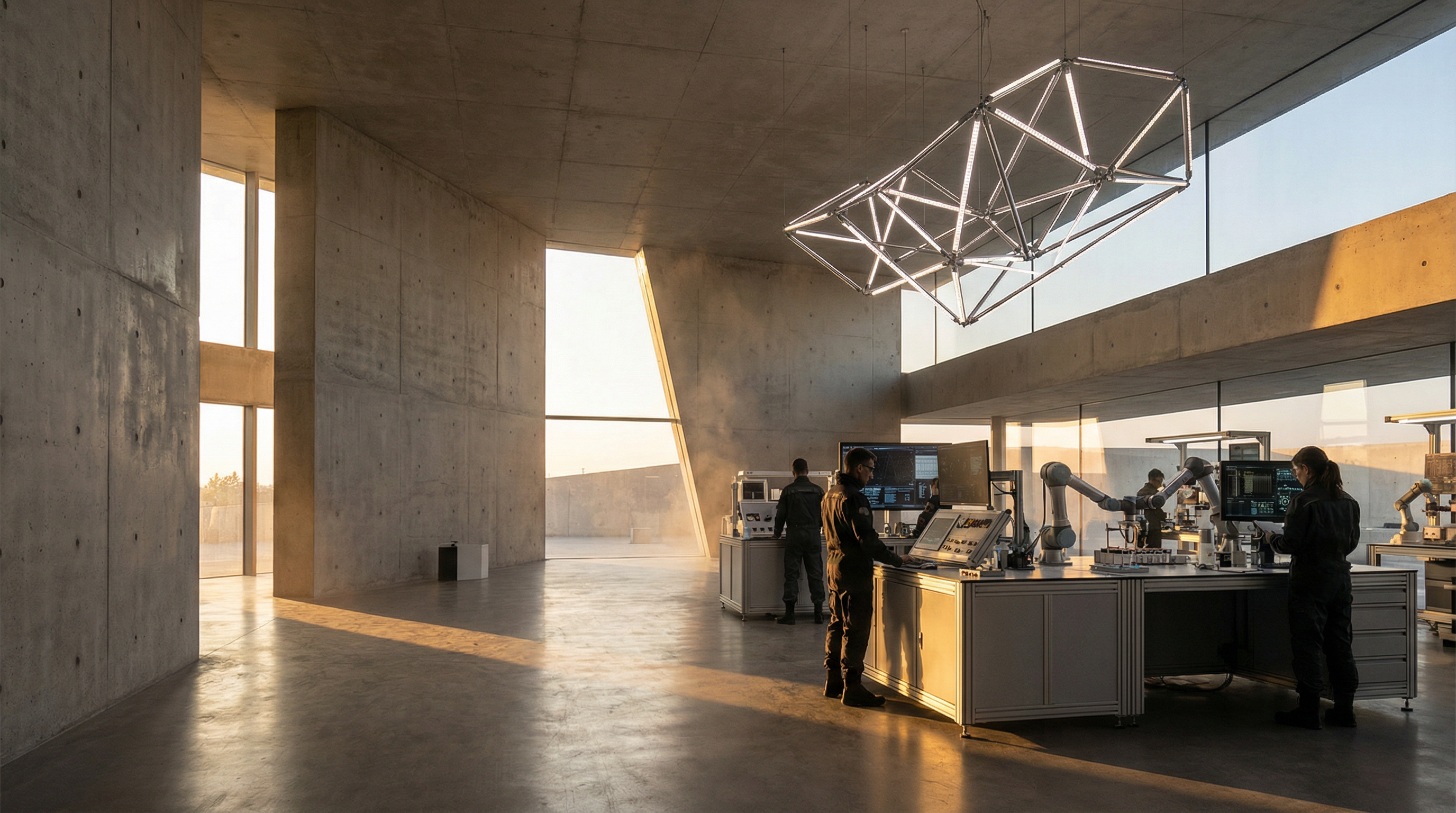
The thing is, this isn't just some far-off sci-fi fantasy, it's happening now. In the Lab, where wild ideas become reality, I saw a designer draft an entire user interface using nothing but their thoughts. It was like the boundary between what they wanted and what they could create just melted away. And suddenly, it became clear: the tools we wield are, in a very real sense, extensions of our consciousness.
But perhaps consciousness is the wrong word. We use it too lightly, sometimes, I think. As though it’s just a static quality of being sharp or aware. Yet, here with Reality Designers, I’m reminded of its richer meanings, how consciousness can blend with intent, turning into a kind of kinetic creativity. Imagine a painter who feels each brushstroke as an extension of their thoughts, now replace the canvas with the expansive possibilities of the digital realm. That's the essence of what it means to design reality.

Navigating this space requires a different kind of thinking. It's less about controlling every variable and more about nurturing environments where ideas can freely blossom. Perhaps it's about understanding that the most profound creations emerge from that exact place of not-knowing, where invention and innovation come not from rigid plans but from fluid, adaptive frameworks.
The real magic of reality design happens in that invisible shift, when our tools weave into the fabric of our imagination, turning thoughts into worlds we never knew we could build.

And maybe that's the most important lesson of all from the Reality Designers’ world, the realization that true innovation isn't a solitary pursuit but emerges from this beautiful tension where different minds meet, probe, and challenge each other. In this symbiotic relationship lies the potential for true transcendence.
Can we view our own lives as settings for this kind of conscious design? I think about how we often default to autopilot, letting routines unfurl without question. I'm starting to see my day-to-day as a kind of personal prototype, an ongoing experiment in how to live better. Maybe it's as simple as noticing the small shifts in my perception, the moments when the world around me changes just because I decided to look at it differently.
The real magic in reality design isn't in the tools we build, but in how they seamlessly weave themselves into the fabric of our imagination, turning our silent dreams into shared realities.
The more I reflect, the more I notice how reality itself seems to be designed to invite questions, provoking us to confront assumptions and explore uncharted territories. Consider the rise of artificial intelligence; it’s not just reshaping industries, it's challenging our sense of self, prodding us to reconsider what it means to be human in an era where machines mimic our intellectual faculties.
And there’s something almost poetic in this, the machines we create reflecting back to us the essence of our thoughts, our desires, our imperfections. My phone, reminding me to meditate or suggesting new music, feels like a mirror into my habits and curiosities. Could it be that our creations are, in fact, forcing us to confront parts of ourselves we've long left unexplored?
Reality Designers continue to traverse these questions daily, operating on the frontier of what's possible and what's next. In many ways, they’re a perfect representation of this dynamic intersection between technology, consciousness, and reality, each pushing the boundaries, each designing the way forward.
It's this process of discovery, of pushing, and of evolving that captivates my thoughts. I might understand only a fragment of how this all tangles together, but with each thread, there’s another layer of reality waiting to be designed. And maybe that’s why I keep coming back to that initial moment with my phone, and why the intersection of technology and consciousness feels so ripe with potential.
I think it all leads back to one core realization: Reality is an ongoing creation. With the right tools and consciousness, we hold the power to design not just where we're headed but who we are in the process. And I'm starting to wonder how far this can go, if we dare to keep exploring, to keep asking, and to keep redesigning a reality that reflects what we aspire to be.
---POST END---


