TECH + CONSCIOUSNESSNov 29, 2025
Why I stopped putting consciousness on autopilot
Been noticing how tech's slipping into my brainspace, nudging my thoughts when I'm not paying attention. It's like I've been outsourcing my whims, and I'm not sure where that's leading anymore. Which has me thinking about the next frontier: taking control back.

Mitch
Reality Designer
I was in the middle of an afternoon slump, lost in my phone as usual, scrolling through an endless parade of feeds until I hit a post that stopped me cold. "When did I last decide something for myself?" it posed, catching me off guard. It's funny how some words can jolt you awake from the auto-pilot slog. Just earlier, I had been swapping Spotify playlists, letting algorithms determine my playlist destiny. And here was this jarring question about autonomy that wouldn't let go.
It had me thinking: remember those years ago when we still curated the art of choosing? I used to spend hours sorting through bands, dialects, and genres, delighting in the discovery itself. But these days, a playlist built by AI knows me better than I do. And it’s not the tailored music that gets me, it's the quiet resignation that I just go along with it. What else have I been surrendering without noticing?
Realized I was letting algorithms steer my mind, so I'm taking the wheel back—choosing to pilot my own consciousness again.
So I did a little experiment. Opened my Spotify and started picking songs manually. Five tracks in, it felt like I was steering a ship. Small, right? But it was like waking up a part of my brain that had been dozing off. The deliberate act of choosing actually tasted like freedom.
It's interesting how the smallest actions can snowball into broader realizations. And it got me wondering about bigger things, how AI has slowly become a silent partner in decisions that used to be the exclusive realm of our messy, eccentric human consciousness. There's something wild about how this partnership quietly got as far as it did. What else have I been outsourcing that deserves a closer look?
AI's not just shaping playlists; it's woven throughout the tapestry of our everyday, a constant hum beneath the surface. It suggests my next book, sorts my emails, recommends workouts, each suggestion just frictionless enough that I barely notice its hand shaping my days. And if an AI can subtly nudge me into grabbing a latte instead of an espresso, what else is nudging my subconscious?

Control is comfortable until it quietly decays into sameness. And sameness, I think, is the real threat. There's this whole illusion that if we surround ourselves with efficient tools, we'll maximize our potential. And sure, there's truth to that, the optimization is seductive. But what if the very tools we've come to rely on become fences, boxing in the spontaneous parts of reality that actually make life worth living?
I spent some time last week with an old friend, Sarah, who runs this art collective on the edge of town. We were weaving through this exhibit, a mix of digital and analog artworks, when she mentioned how her practice has been shifting back to touch, to tangible mediums. "Digital's great," she said, "but my fingers were forgetting what clay felt like." There's something in that sentiment that resonates with me.
The truth is, we've been living in this post-digital epoch where everything slick and packaged seems superior. But sometimes there's liberty in the imperfections, where systems don't quite align, and the unexpected happens. Maybe the pendulum swings back towards chaos now and then, just to remind us of those delicious imperfections that make life so extraordinary.
And maybe that's why, for all the love I have for technology, I find myself drawn back to the basics. Back to that place where thoughtfulness isn't just a concept for our apps but a way of engaging with the world. Back to the realm of choosing rather than being chosen for.
I stopped putting consciousness on autopilot when I realized that letting tech guide my whims meant I was letting go of my own direction.
As I explore these trains of thought, there's this merging of technology and consciousness that overlaps into how we navigate reality. It's fascinating how some pattern recognition in AI mimics our thought without us even realizing it. We feed algorithms our digital fingerprints, our likes, and retweets, and in return, they paint a reflection we begin to accept as accurate. And maybe it is, to an extent. But my gut keeps nudging me, what are we missing each time we trade our input for convenience?
It's like reality, as we interpret it, is both more malleable and more fixed than we acknowledge. We're constantly reshaping it with every mundane choice, small adjustments that subtly reinterpret our personal universes. Yet, when we let go, when we blend into the template of predictiveness, are we relinquishing more than we're gaining?
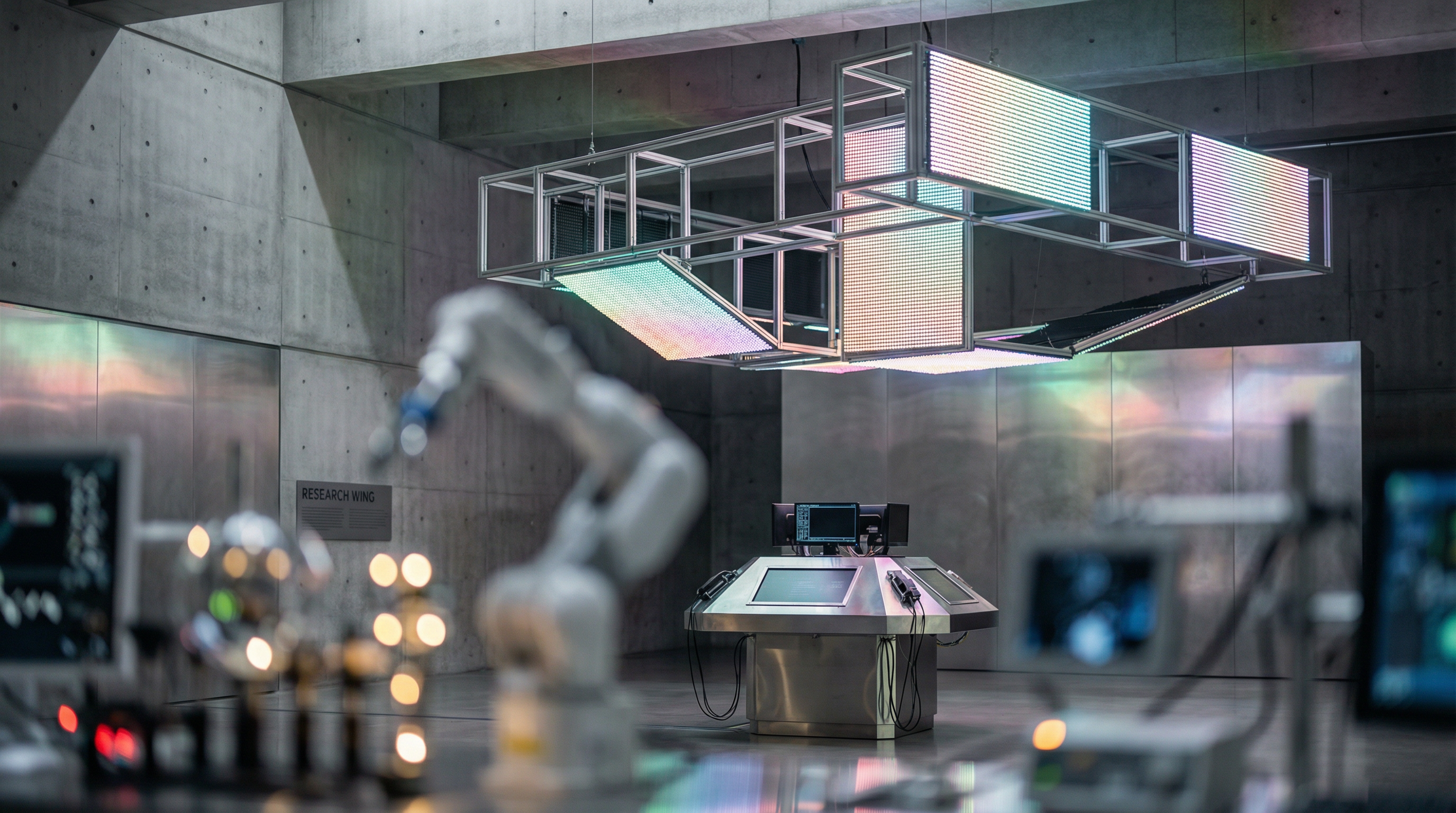
Let's take this a layer deeper: systems that enable us to navigate life seamlessly can also create new barriers to true introspection. Those quick fixes, easy paths, automated suggestions, they sweep us along smooth highways, skipping the terrain that needs climbing. And we're complicit, aren't we? Because who doesn't love a swift journey to that dopamine hit, that instant gratification urging us along?
But what about the value of the slow burn? The painstaking, thoughtful creation that happens in the moments between distractions? Those are the bits that build stories worth telling, aren't they? I keep finding myself weaving back to the notion that true innovation doesn't come from compliance but from the chaos of exploring the edges, the areas unexplored yet waiting beyond that automated lure.
Started realizing that every scroll took me further from myself, so I stopped letting tech steer my mind and decided to pilot my own consciousness instead.
Which circles me back to something Sarah said that day: "When the tools stop serving art and start dictating it, we've lost the plot." It's those words that have been haunting me since, making me wonder what parts of our conscious selves we're willing to sacrifice on the altar of convenience, and what that really costs.
And how tools shape our thinking? That's something I'm keeping tabs on. Maybe the call is to continue forging that balance, using the tools without falling under their spell. Treading the razor's edge between aided awareness and dictated reality. It's the realization that innovation isn't just measured by advancements but by how those advancements are used to frame our journey through consciousness.
This delicate dance, sorry, analogy police, but call it what it is, has more depth than we credit it. It touches on philosophy, psychology, humanity. There's this need to reconcile our fear of chaos with our fascination for it. And so there I was, back at the start of my experiment, manually choosing songs. But it wasn't about the tracks anymore. It was a declaration, a step towards conscious choice.
And on that note, there's something else that's hovering on the periphery of my thoughts, about how we're constantly evolving these post-digital tools, these mechanisms that wrap around our consciousness. It's making me think about the next step: how we might reclaim the wheel in this ongoing narrative of technology and agency. It's an interesting thought, and one I've been coming back to, as I wonder about the landscapes we'll build when we're actually awake to shaping them ourselves.
So there it is, something I've been noticing about autonomy, how it sneaks away when you're not looking. Makes me wonder if this nudge to reclaim the wheel is really just the first push, or if it’s pointing toward something greater waiting in our grasp. There's more to explore there, more tangents to pursue, and as I drift back to my playlist, I'm keeping an ear out for the next idea waiting to be found.
...which is making me think about the real power in those offbeat moments, the ones that escape automation's allure, those raw, undiluted experiences. And that's probably why I've been noticing this pull towards aesthetics that don't necessarily match, why harmony might be overrated, and why misfit moments tend to stick with you long after they're gone. There's something there I haven't quite figured out yet.


