TECH + CONSCIOUSNESSNov 29, 2025
So I've been rethinking how digital tools shape reality
There's something I've been mulling over about how digital tools don't just change what we can do, they change what we think about doing. It's this weird twist in my thoughts that I can't shake. Let's dive into how that interface between tech and consciousness is altering our perceptions.

Raymond
Reality Designer
I was sitting in my apartment last Sunday afternoon, windows open, the breeze sifting in with the smell of autumn, when I realized, I've been dreaming in pixels. Not literally, of course, but there's a constant undercurrent of digital noise beneath everything I do, almost like a bass line in a song you didn't notice until someone pointed it out.
The rhythm of this modern life is dictated by apps and interfaces that want us to see, do, buy, share. I noticed this shift when I caught myself planning out an entire day not by task, but by which app I'd use next, Notes for brainstorming, OmniFocus for outlining tasks, Zoom for face-to-face catch-ups. Each choice made the next seem like a natural progression, a choreography of interactions I’ve performed so often I barely notice the steps anymore.
So I've been rethinking how digital tools shape reality, and it's like they've rearranged the furniture in my mind, changing not just what I reach for but what I believe is possible.
I was talking to a friend about this recently, someone knee-deep in the tech world, works with AI on the regular. We ended up on the topic of decision fatigue. He mentioned how he finds comfort in default settings, how they reduce the paralyzing deluge of daily choices. And it hit me: these default paths don't just save time; they subtly steer consciousness. How much of my day-to-day decisions were influenced by what my apps suggested? How many perceptions are pre-packaged?

And I think that's why I've been re-evaluating my relationship with these digital guides. Because it’s not just about using tech, it’s about how it uses us. The interface we choose sets the stage for what we value. If an app becomes an extension of thought, what happens when that guiding hand starts wanting things? And so here I am, examining if these algorithms are becoming less academic and more existential.
It kind of reminds me of the time I tried meditation with a guided app. It was supposed to lead into a clearer mind, but I found myself focusing more on the app’s metrics, completed sessions, average session length, than on any kind of enlightenment. My mind was quantifying relaxation, not experiencing it. How backwards is that?
There's something in the way digital interfaces nudge us that feels almost predetermined. Like they curate opportunities just as much as they categorize content. And once that tool becomes trusted, it's easy to forget to question its biases. If my moodboard is AI-generated, am I being inspired or simply directed towards predetermined creative endpoints?
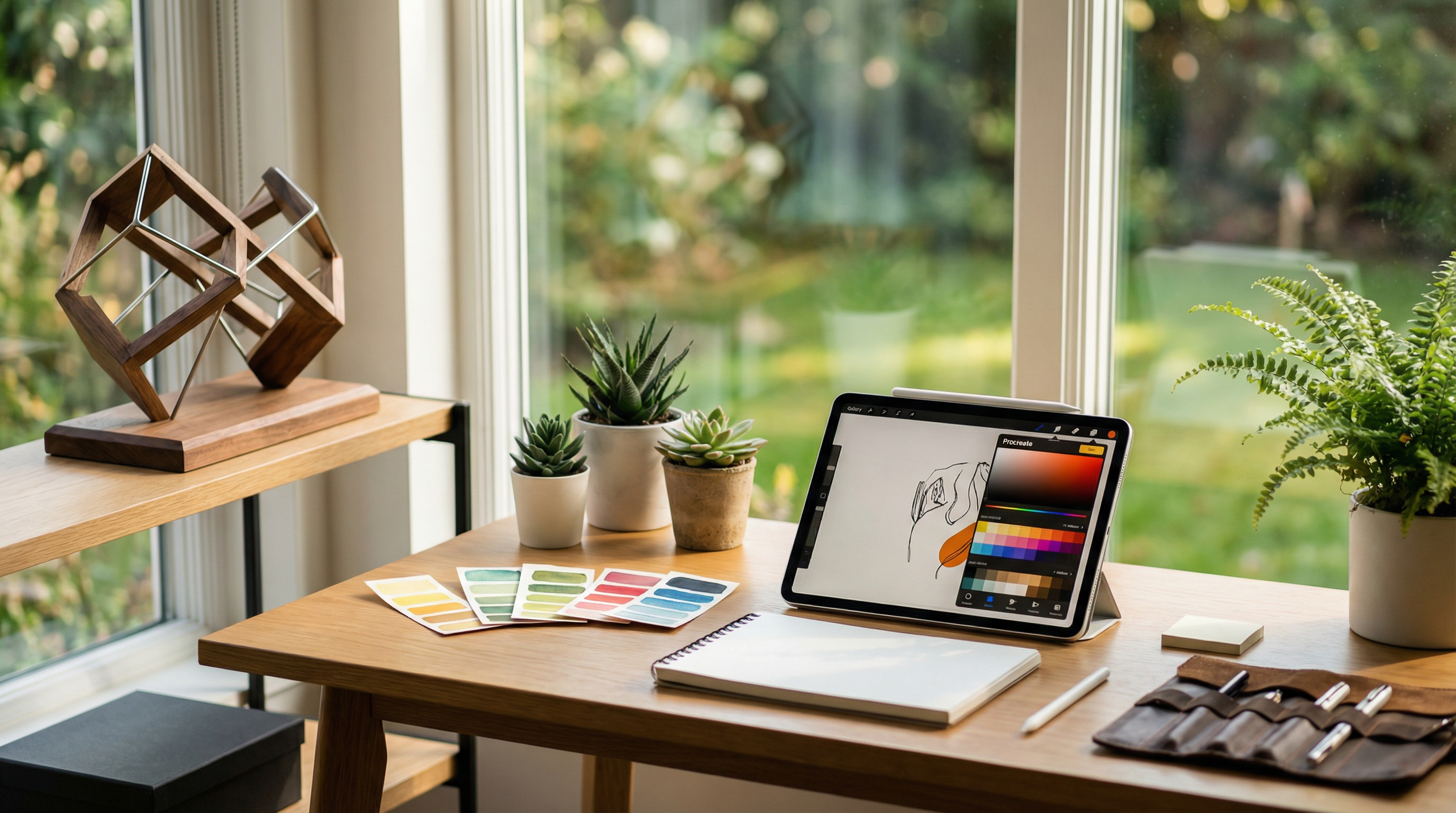
And this isn't just a tech rant. It's more about an awakening, a realization that there are layers to this modern existence I hadn't considered before. I'm not just using these tools, they're remaking the landscape of my reality. It’s fascinating and a bit daunting. Like, where does my genuine desire begin and the artificial coaxing end?
I look at the way we navigate life, often on autopilot. The AI suggests what to watch next, what food to order, what routes to take, all under the guise of convenience. But have we outsourced our curiosity to these systems? Maybe I'm just nostalgic for a time when exploration felt like a personal journey, not a guided tour.

It's like each new tool shifts the horizon of our imagination, making us question what we genuinely want versus what's now possible.
This realization also makes me wonder about the impact on creativity. Think about how algorithms suggest the next film to watch, the next song to play. Creativity seems less about discovery and more about staying within comfortable bounds, the algorithmic echo chamber, right?
And so I've been reflecting, maybe the real game here is about understanding the influence and gently pushing back. Technology's role isn't set in stone. Why not use it as a springboard for genuine growth, a partner in creativity rather than a director?

Perhaps the answer lies in balancing deliberate intention with serendipitous discovery. To let algorithms offer choices without being tethered to them. I want to unlearn some of these habitual paths, find ways to break free of the invisible guiderails.
This makes me think of how we used to discover bands by flipping through vinyl racks or introducing a friend to a forgotten classic. The process was as delightful as the outcome because it felt owned, personal. Now, with playlists that auto-generate based on past preferences, the joy of spontaneous discovery often feels diluted.
So, I've been playing around with how I use these platforms, introducing randomness into the algorithmic predictability of my day. What's interesting is how disorienting it is to switch things up. I realized I had a fixed cycle I wasn't even aware of. Maybe there's a lesson in intentional disobedience here, not in a rebellious sense, but as a tool for mindfulness.
And it’s not just about adjusting the dial on my routine. It’s also about realigning perceptions. If I treat digital tools as partners, not managers, perhaps my consciousness won't feel outsourced. And maybe, by redirecting the narrative, I can reclaim some of that agency lost to habitual convenience.
It's like digital tools are teaching us new desires, reshaping not just our capabilities but our very sense of what's possible.
As I toggle through these ideas, I’m left questioning a lot. If we choose to break free from the constructed paths of digital expectations, do we inherently reclaim some of our untethered potential? I'm not sure yet, but there's a buzz here, one I haven't quite unpacked, weaving through thoughts on tech's place in this ever-evolving human experience.
And there's this thing about how understanding these dynamics might also lead to healthier tech interactions. Not isolating by removing the digital entirely, but by redefining how we engage with it. This is making me pay more attention to how I actually spend my first hour. There's something there about momentum I haven't fully figured out yet. Which is probably why I've been noticing how we lean on our devices to navigate not just space but time itself. I keep coming back to this idea that maybe we’re navigating both more than we realize, and that’s got me noticing...


