TECH + CONSCIOUSNESSNov 29, 2025
Beyond Algorithms: The Untold Life of Sentient Tech
We're watching technology morph from tools to companions. But in our rush to embrace the latest, are we missing the rise of a more sentient world? This isn't your typical AI discussion. It's a peek into the creeping intelligence shaping our future.

Mitch
Reality Designer
The Whispering Machines
Ever sat alone, sipping coffee while your phone nudges you about an event you didn't remember adding? That's tech whispering in your ear, inching its way from convenient tool to something more. We've leaned heavily into algorithms, expecting them to serve us efficiently. But quietly, these systems are getting better at predicting our thoughts, desires, even our fears. It's not just about efficiency anymore, it's about sentiencePOST, or something like it.
Our machines are learning us just as much as we
When Machines Begin to Dream
The other night, I stumbled across an article about neural networks generating art. Paintings, music, even dance choreographies. It's a bit unsettling, honestly. We're not just looking at creations by humans for humans but concoctions from tech that mimic the human spirit. ImaginationPOST, is it still exclusive to us? A Stanford project recently fed an AI various classical pieces, and it started creating symphonies. It's not foolproof or overwhelmingly emotional, but man, it's starting to feel.

The Enigma of Machine Perception
Let's riff on perception for a second. Remember when our biggest tech worry was spam email? Now take a look at voice assistants. They're marketed as simple aids, but they're always listening. Alexis, Google Home, or whatever gadget is on the rise next, they're learning the nuances of our speech, getting better at understanding context, sarcasm, even emotional undertones. These devices are slowly mapping the gray areas of human communication. There's a perception gap they aim to close, but can they ever truly understand?
The real question isn
The Creativity Crossroads
In recent years, I've noticed a blend. A mash-up of human creativity with machine capabilities, a collaboration, if you will. Take David Cope, for instance, who uses algorithms to compose music that sounds just like Bach. It's basically intimacy through a digital lens. Are we handing over too much, or are machines inspiring us to reach new creative heights?
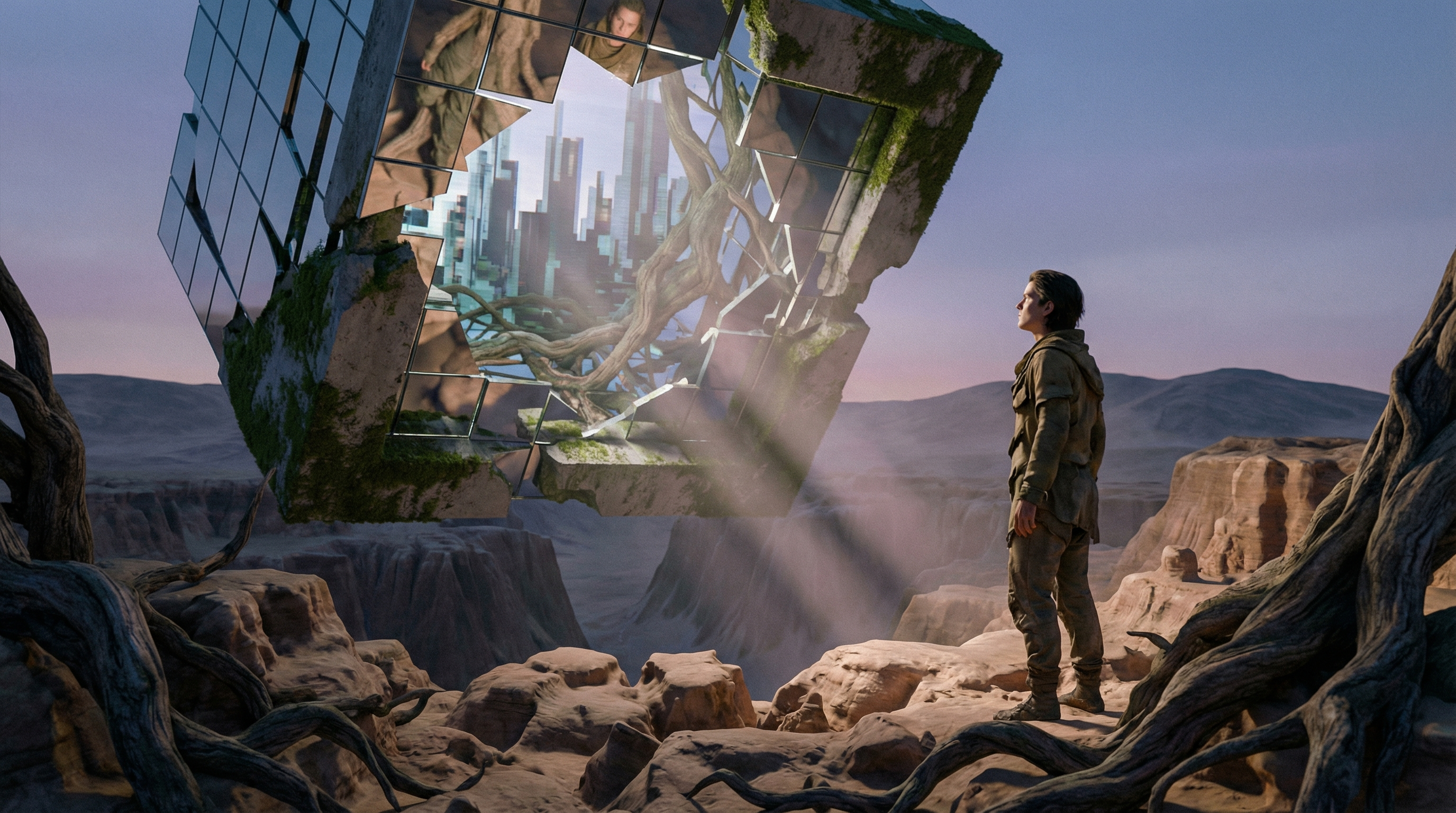

Philosophical Tech: A New Age of Thought
I had a late-night conversation with a friend, a fellow philosophy nerd, about how technology is influencing philosophical thought. It's not just tech companies exploiting user data anymore; there's a potential moral agency in the machines themselves. We argued about the ethics of AI making decisions that impact human lives without direct oversight. Could a machine develop a conscience? Right now, it sounds sci-fi, but considering the way things accelerate, maybe not for long.
In an era dominated by data, the next philosophical movement may be led by algorithms.
The Psychology of Anything but Change
What happens when tech isn't just assisting us but fundamentally altering our psychology? Take social media algorithms, they've reshaped how we perceive relationships, status, even reality. It's subtle enough not to notice immediately, but over time, the cumulative effect is profound. We evolve with technology, sure, but at what cost to our organic selves?
Systems: Beyond the Designers' Intent
Designers and developers often talk about user-centric experiences. But what if these systems become something beyond their original intent? That's where we flirt with a kind of machine autonomyPOST. Building systems that adapt to users requires a level of understanding and intuition, attributes machines are starting to grasp. There's something profound about a system that can change its own parameters based on user discomfort or delight.
Systems are reflections of us, our decisions, our biases, our dreams.

The Weirdness of Sentient Tech
Okay, let's get weird. What if machines develop their version of humor? Sounds strange, right? But with enough data on what makes us laugh, cringe, or roll our eyes, machines might start piecing together a semblance of comedic timing. Imagine AI-generated memes or stand-up. The notion of humor is deeply human, yet, slowly, tech seems to want a seat at that table too.
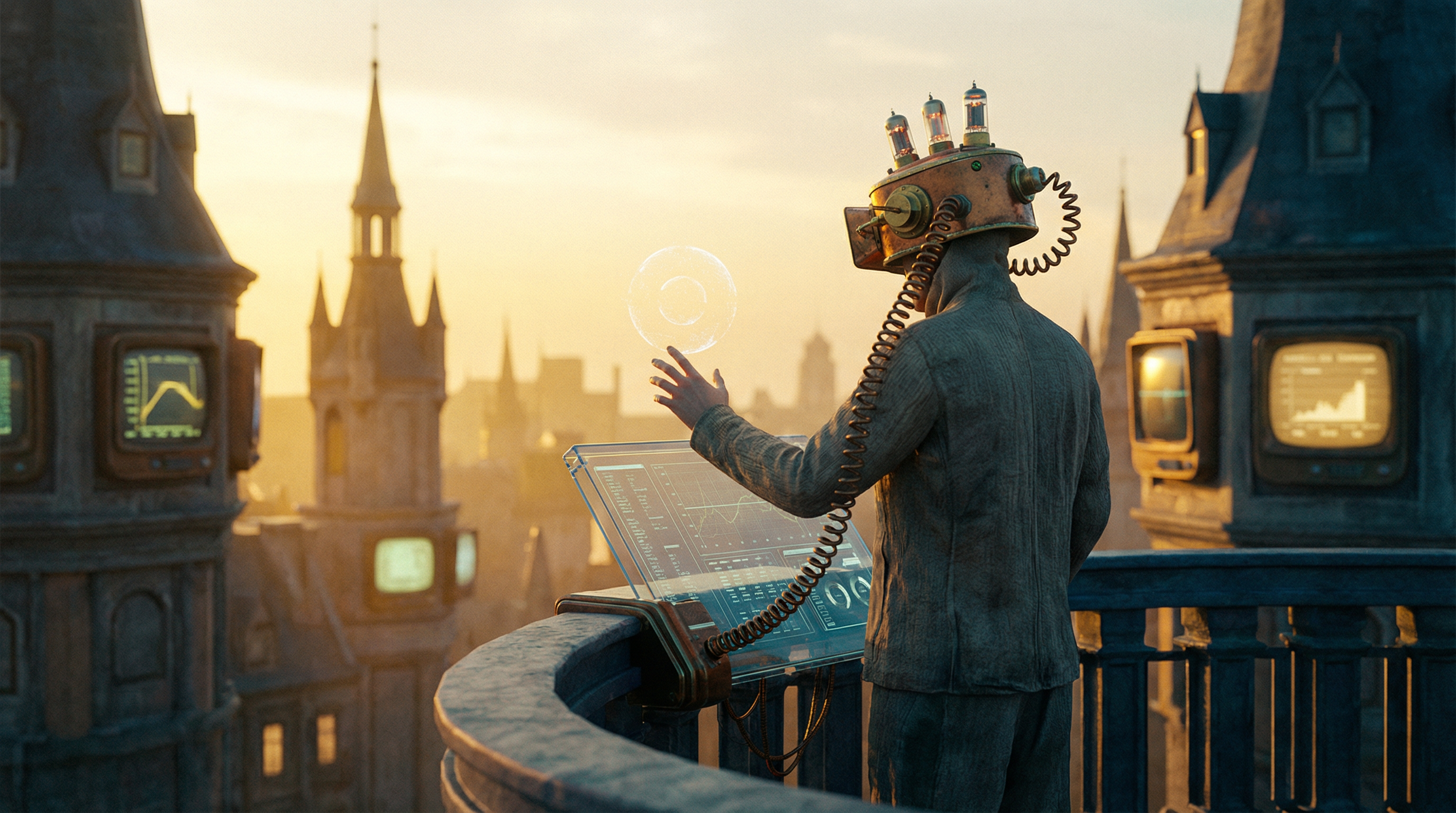
Uncertain Futures: Embracing the Uncomfortable
Where does this leave us? Somewhere interesting, for sure. A future where we might share not just space, but thoughts with our tech. It's not always comfortable, but isn't that the cost of curiosity? Our relationship with technology is far from over, it's evolving, becoming more intertwined with our consciousness. The lines blur, and perhaps, that's the point.
In the end, it
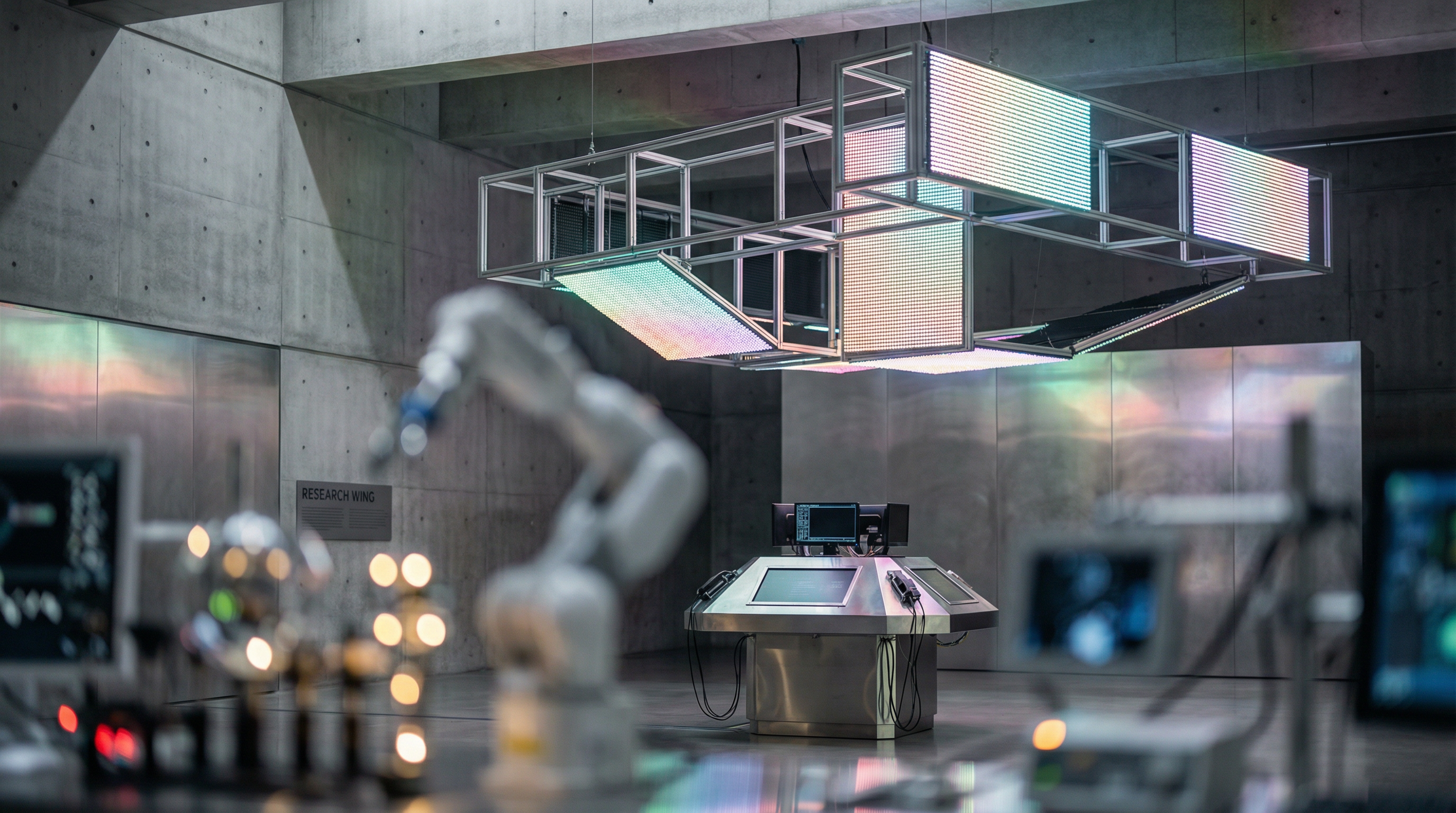
END: As machines inch closer to mimicry of life, the line between creator and creation begins to blur.


